
Why Rehmat Card Applications Get Rejected in 2026 | Common Reasons & Solutions
Applying for the Rehmat Card Punjab Program is only the first step. Every application goes through an official review process before a final decision is made. While many applicants qualify successfully, some applications may not move forward because of missing information, verification issues, or failure to meet the announced program requirements.
Receiving an unsuccessful application result can be disappointing, but it does not always mean that something serious has gone wrong. In many cases, applications require further verification, updated information, or corrections before they can be properly assessed.
In this guide, we explain the most common reasons applications may not be approved, how the verification process generally works, and what applicants can do to avoid unnecessary problems.
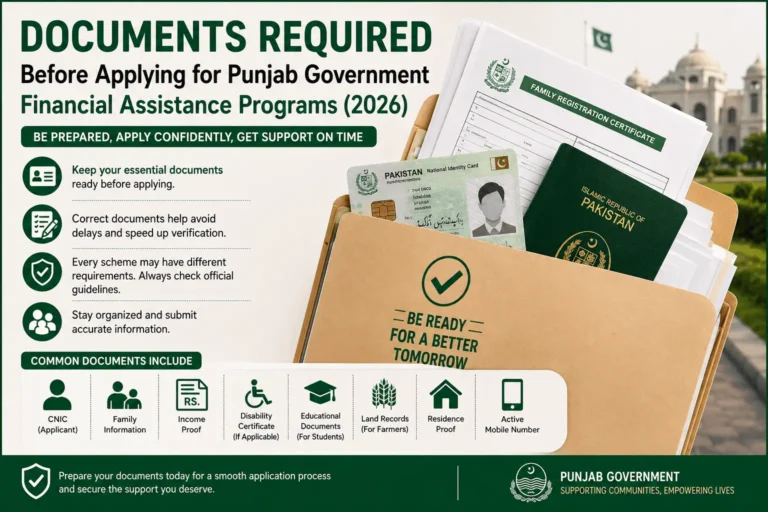
If you have not yet submitted your application, we recommend reading our How to Apply for Rehmat Card Punjab guide first. You should also review our articles on Eligibility Criteria and Required Documents before applying.

Why Some Applications Are Not Approved
Every welfare program follows a verification process designed to ensure that assistance reaches eligible applicants.
Authorities may compare the information provided during registration with official records. If there are inconsistencies, incomplete details, or other verification issues, the application may require additional review or may not qualify under the current program guidelines.
For this reason, providing complete and accurate information is always the best approach.

1. Incorrect CNIC Information
One of the most common reasons for application problems is entering incorrect CNIC information.
Even a small typing mistake can prevent the system from matching your records correctly.

Before submitting your application:
- Check every digit carefully.
- Ensure your personal details match your official identification records.
- Avoid entering information in a hurry.
Taking a few extra minutes to review your information can prevent unnecessary delays.
2. Incomplete Application Details
Applications containing missing information often require additional review.
Examples include:
- Missing personal information
- Incomplete household details
- Required fields left blank
- Incorrect contact information
Always review every section before submitting your application.
3. Eligibility Requirements Not Met
Every government welfare program has eligibility requirements that applicants must satisfy.
Meeting basic requirements is an important step, but eligibility is determined through the official review process rather than assumptions or unofficial advice.
Applicants should always read the latest official guidelines before applying.
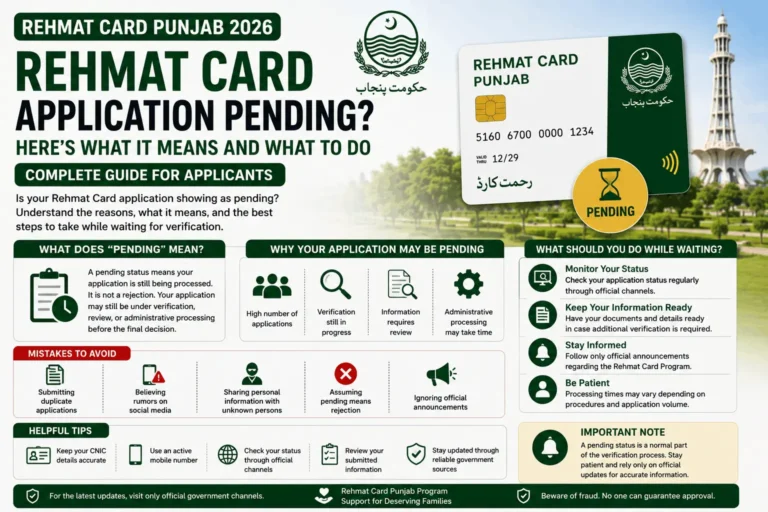
4. Verification Is Still in Progress
Sometimes applicants believe their application has been rejected when it is actually still under verification.
The review process can take time depending on:
- Number of applications received
- Verification procedures
- Administrative processing
During this period, patience is important. Avoid submitting multiple applications unless official instructions specifically advise you to do so.
5. Incorrect Personal Information
Incorrect spelling of names, inaccurate contact information, or inconsistent details can delay the review process.
Before submission, verify:
- Full name
- CNIC details
- Mobile number
- Residential information (if requested)
Providing accurate information improves the chances of a smooth verification process.
6. Missing Supporting Information
Some applications may require additional information during verification.
If authorities request further details, respond according to the official instructions.
Never submit altered or unofficial documents.
How the Verification Process Generally Works
Although verification procedures may change over time, applications are generally reviewed through several stages.
The process may include:
- Identity confirmation
- Information matching
- Eligibility assessment
- Final review
- Decision
The exact timeline varies depending on official administrative procedures.
Applicants should rely only on official communication regarding the outcome of their application.
What Should You Do If Your Application Is Not Approved?
If your application is not approved, avoid assuming the reason immediately.
Instead:
- Review the information you submitted.
- Check whether any official updates or additional instructions have been issued.
- Keep your documents ready if further verification is requested.
- Follow only official government announcements.
Avoid relying on social media claims that promise guaranteed approval or quick solutions.
Tips to Reduce the Risk of Rejection
These simple practices can help applicants complete the process more confidently:
- Read all official instructions carefully.
- Enter information exactly as shown on official records.
- Review your application before submitting it.
- Use an active mobile number.
- Keep your identification documents available.
- Avoid rushing through the application process.
Good preparation can help reduce avoidable mistakes.
Frequently Asked Questions
Does an unsuccessful application mean I can never apply again?
Application policies may change over time. Applicants should always follow the latest official guidance regarding future opportunities.
Can typing mistakes affect verification?
Yes. Incorrect information may delay or prevent successful verification.
Should I submit multiple applications?
Applicants should follow official instructions. Submitting duplicate applications without guidance may create unnecessary confusion.
How can I know the progress of my application?
Applicants can use the official status-check process whenever it is available.
Where should I get updates?
Always rely on official government announcements instead of unofficial social media pages.
Final Thoughts
Most application problems can be avoided by preparing carefully before registration. Accurate information, valid identification, complete details, and patience during the verification process all contribute to a smoother experience.
Instead of worrying about rumors or unofficial advice, applicants should focus on following the official process from beginning to end. Careful preparation is often the simplest way to reduce delays and avoid unnecessary application issues.